OPENING SEPTEMBER 30th


Before the Movement Had a Name:
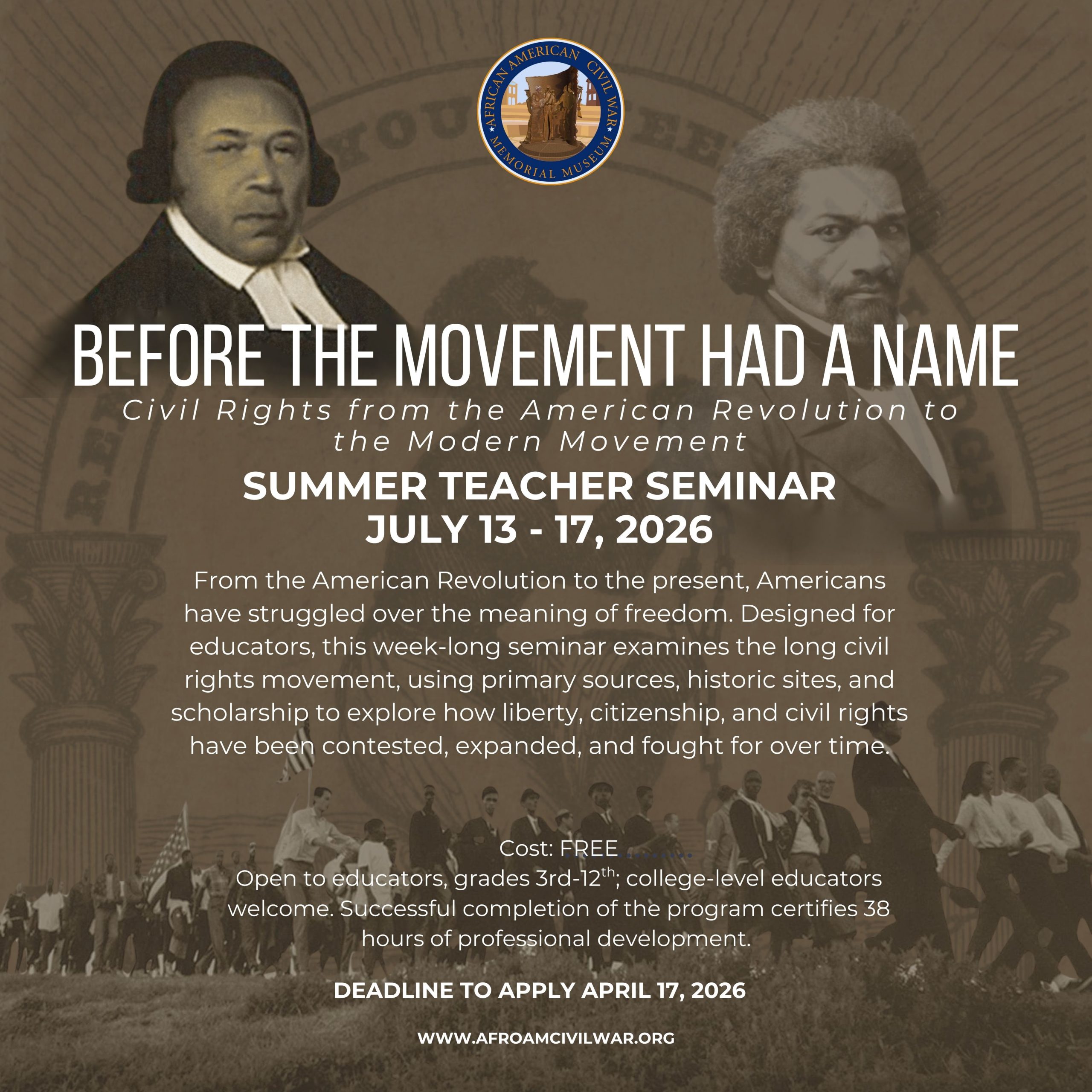
From the American Revolution to the present, Americans have struggled over the meaning of freedom, citizenship, and rights. This week-long seminar examines the long civil rights movement, challenging the idea that civil rights history begins in the mid-20th century. Instead, participants will explore how debates over liberty and natural rights emerged in the nation’s founding, were reshaped by slavery and emancipation, and continued through Reconstruction into modern struggles for equality.
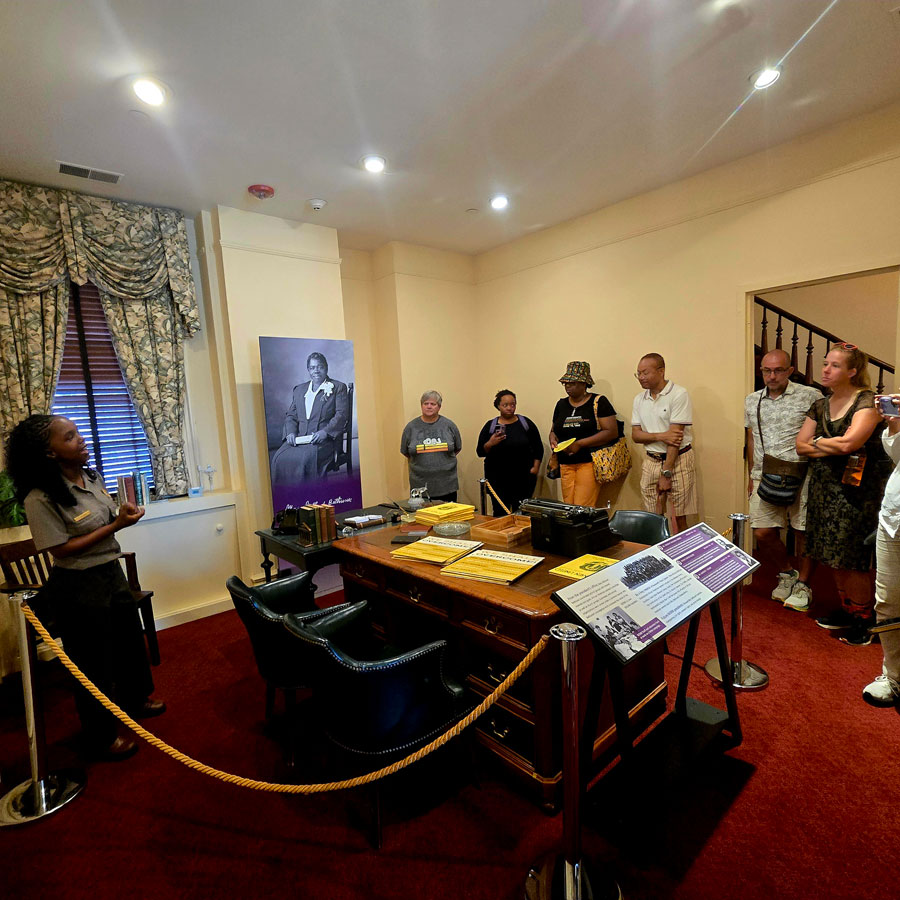
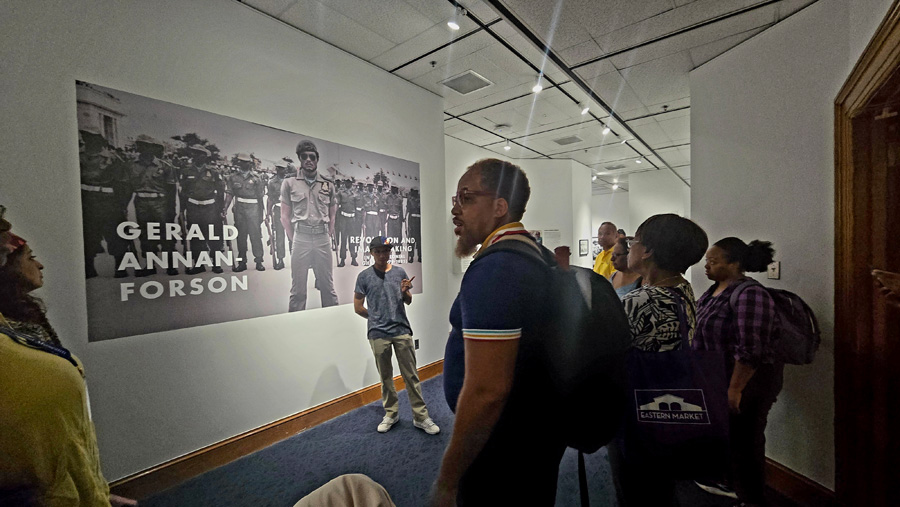
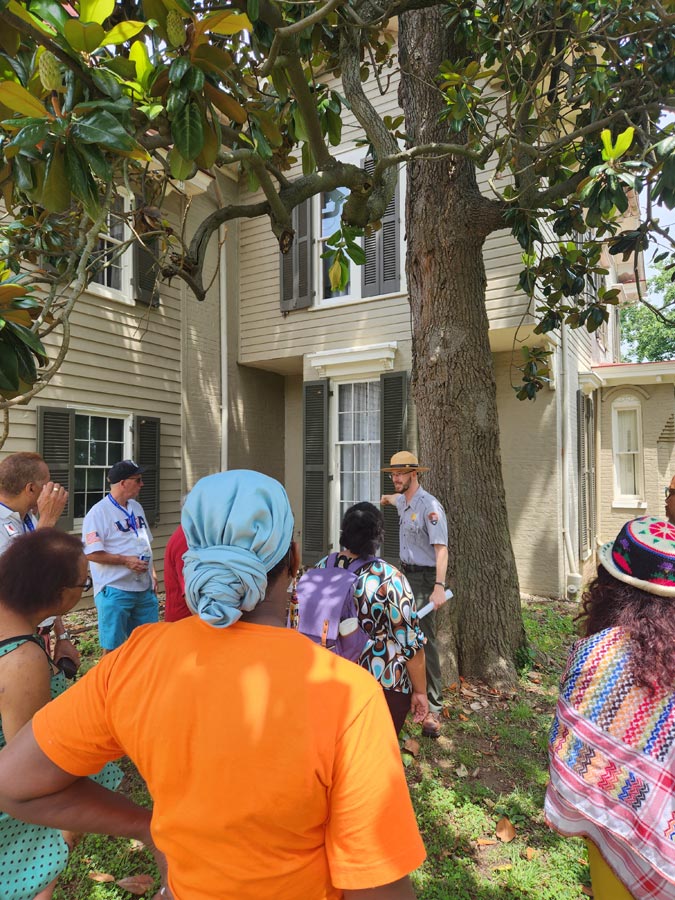
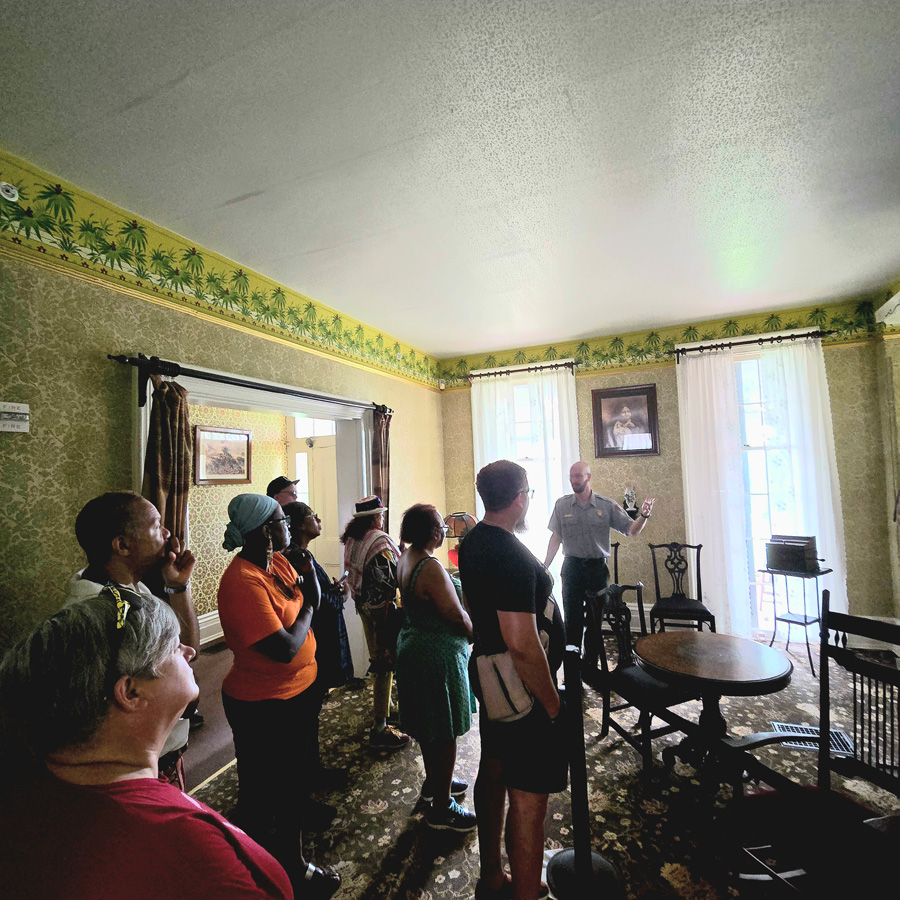
Designed for educators, the seminar centers on the experiences and activism of African Americans while also examining the roles of women and Native peoples in shaping—and challenging—American democracy. Through close analysis of primary sources, engagement with leading scholarship, museum-based learning, and historic site visits, participants will investigate how people claimed rights, resisted exclusion, and worked to make freedom real across generations. The seminar emphasizes both continuity and change, connecting early civil rights struggles to later movements and ongoing debates over citizenship, voting rights, and equal protection today.
Date: July 13 – 17, 2026
Cost: Free.
The seminar will accommodate up to 20 educators in grades 3 through 12. Successful completion of the program certifies 40 hours of professional development.
What to Expect
- Use historical and contemporary examples to deepen participants’ understanding of the Civil Rights movement throughout U.S. history.
- Employ teaching strategies that support close analysis of texts and primary sources, foster critical reading and writing skills, and model respectful discussion of complex and controversial historical issues.
- Engage participants in multi-session professional learning designed to allow sustained, in-depth exploration of the Civil Rights movement.
Application Deadline: April 17, 2026, at 11:59 pm ET
Applicants will be notified of their status no later than April 24, 2026
Event Schedule
Monday, July 13: Colonial to Antebellum America
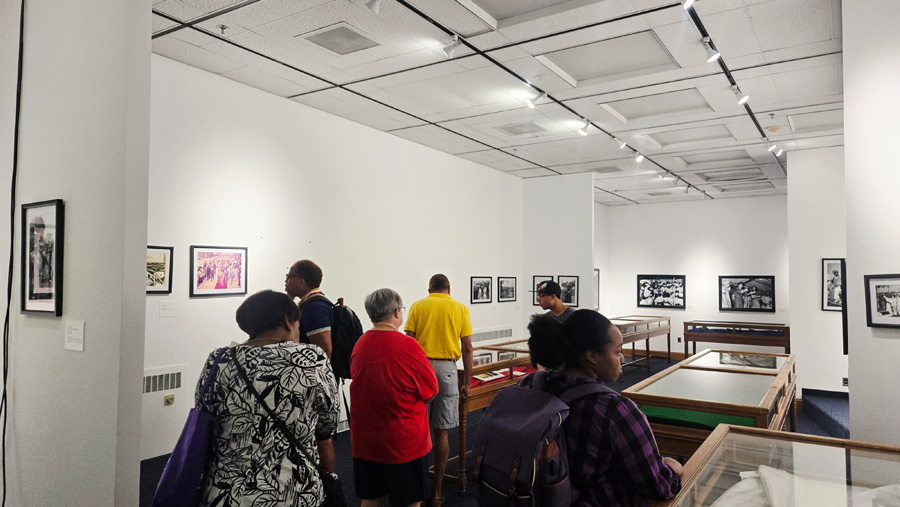
This opening day introduces participants to the colonial foundations of the long civil rights movement by examining how ideas of liberty and natural rights were shaped—and constrained—by race, gender, and settler colonialism. Through reflection, brief lectures, and collaborative analysis, educators explore how slavery, women’s legal dependency, and Native dispossession became embedded in law and practice. The day concludes with museum-based learning and a conversation with historian Kate Masur, reframing the era from the Revolution through the Antebellum period as America’s first civil rights movement.
Tuesday, July 14: Revolutionary words, Unfinished Rights
On Tuesday, participants visit the Museum of the American Revolution in Philadelphia to examine how Revolutionary ideals of liberty inspired African American activism while coexisting with racial exclusion. Focusing on the life of James Forten, the day explores how Black Americans used the language of the Revolution to challenge inequality in the antebellum era and reflect on how these contradictions shaped the long civil rights movement.
Wednesday, July 15: Forging Freedom: Emancipation and the Aftermath of the Civil War
Wednesday explores emancipation as a contested process. Participants examine how freedom was defined and claimed in 1863 by enslaved people, the federal government, and enslavers, using sources like the Emancipation Proclamation, Freedmen’s Bureau letters, USCT records, and Black newspapers. The day concludes with a curriculum design lab, helping educators translate these lessons into classroom-ready materials.
Thursday, July 16: Freedom Under Constraint: Civil Rights in the Age of Jim Crow
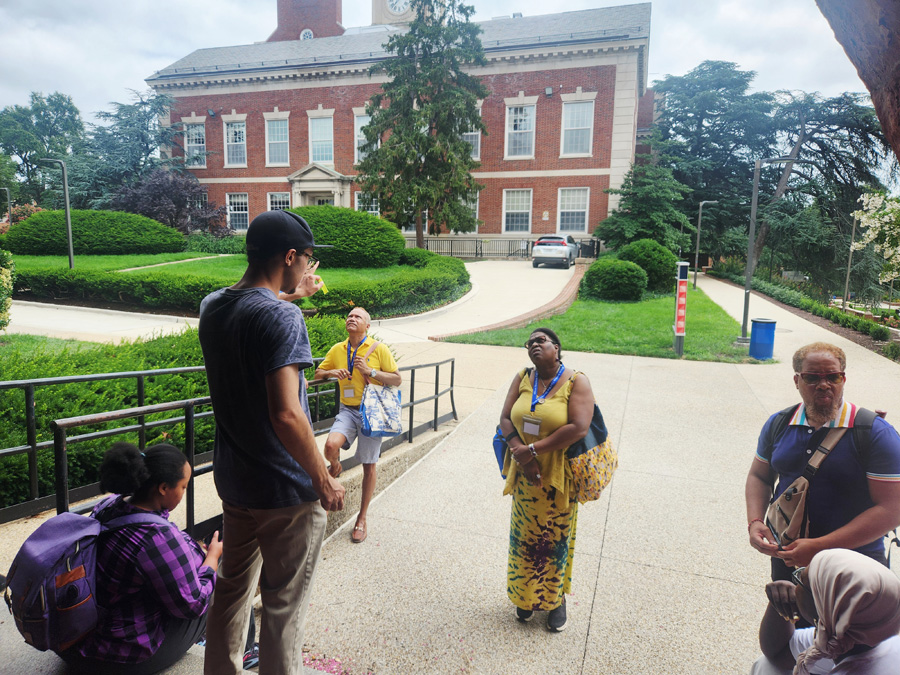
Thursday explores how Reconstruction’s unfinished promises shaped later civil rights struggles. Through a jigsaw activity, participants connect themes like voting rights, equal protection, economic justice, and resistance to federal enforcement in the 20th century. The day also includes a civil rights walking tour, a primary source lab, examining documents such as the Emancipation Proclamation, Freedmen’s Bureau letters, USCT records, and Black newspapers, with a focus on how African Americans acted to make freedom real and how to translate these complex sources into classroom teaching.
Friday, July 17: Building on the Past: Continuing the Fight for Justice
Friday brings us full circle with a focus on how earlier struggles for freedom and citizenship shaped the Civil Rights Movement of the 1950s and 1960s and continue to influence contemporary fights for justice. Through a guided viewing of Eyes on the Prize and facilitated discussion, participants will examine how activists drew on the legacies of abolition, Black military service, and Reconstruction to challenge segregation, disenfranchisement, and racial violence. The day concludes with a panel conversation inviting educators to reflect on civil rights as an ongoing process and on their role in helping students connect past struggles to present-day debates over equality, democracy, and civic engagement.